
Skip to content

WELCOME TO OUR BLOG

We’re sharing knowledge in the areas which fascinate us the most
Home > Blog

Choosing the Right Commercial Dishwashing System

Keeping dishes, glasses, utensils, and equipment clean and sanitized is a constant task in any food service operation. Choosing the right commercial dishwashing system is crucial for maintaining hygiene standards, minimizing labor costs, and ensuring dishes are ready when needed. The main types include undercounter dishwashers (ideal for smaller volume or specific tasks like glassware), door-type dishwashers (good for medium volume with easier loading/unloading), and conveyor dishwashers (designed for high-volume operations like large restaurants or cafeterias). When selecting a dishwasher, consider your peak volume, the types of items being washed, water and energy efficiency, and available space. High-temperature machines (using hot water sanitization) are generally preferred for sanitizing food contact surfaces, while chemical sanitization can be suitable for non-food contact items. Look for features like adjustable racks, reliable conveyor speeds (for conveyor models), and efficient water usage. The pre-wash stage is also important; having a powerful, easy-to-use spray valve can significantly impact overall throughput. A well-chosen dishwashing system can dramatically improve kitchen efficiency. It frees up staff from the drudgery of handwashing, ensuring a consistent supply of clean items, which is vital during busy service periods. Regular maintenance, including cleaning filters, checking spray arms, and monitoring chemical levels (if used), is essential for optimal performance and longevity. Investing in the right dishwashing technology is an investment in hygiene, efficiency, and staff satisfaction.
Read More
The Importance of High-Performance Ventilation in Kitchens

A high-performance ventilation system is arguably one of the most critical yet often overlooked components of a commercial kitchen. Its primary function is to remove heat, smoke, grease, odors, and moisture generated during cooking, creating a safer and more comfortable working environment. Inadequate ventilation leads to a host of problems: staff discomfort and potential heat stress, accelerated wear and tear on equipment due to heat and grease buildup, increased fire risk from accumulated grease, and potential health code violations. It also affects the quality of the food, as excessive heat can impact cooking results. Effective kitchen ventilation typically involves a capture hood (either canopy or modular), ductwork, a fan system, and often, a grease filtration system. The hood must be appropriately sized and positioned to effectively capture contaminants at the source. Grease filters (baffle or mesh) are crucial for trapping grease particles before they enter the ductwork, preventing buildup and fire hazards. Regular cleaning and maintenance of the entire system – including filters, ductwork, and fans – are non-negotiable to ensure peak performance and safety. Local fire codes and health regulations often dictate specific requirements for kitchen ventilation systems. Investing in a properly designed and maintained ventilation system is an investment in staff well-being, equipment longevity, and operational compliance. It helps maintain a pleasant atmosphere for both staff and diners, reduces energy consumption (as less heat enters the dining area requiring additional cooling), and ultimately contributes to a safer, more efficient, and more successful kitchen operation.
Read More

Essential Refrigeration: Keeping Food Safe and Fresh

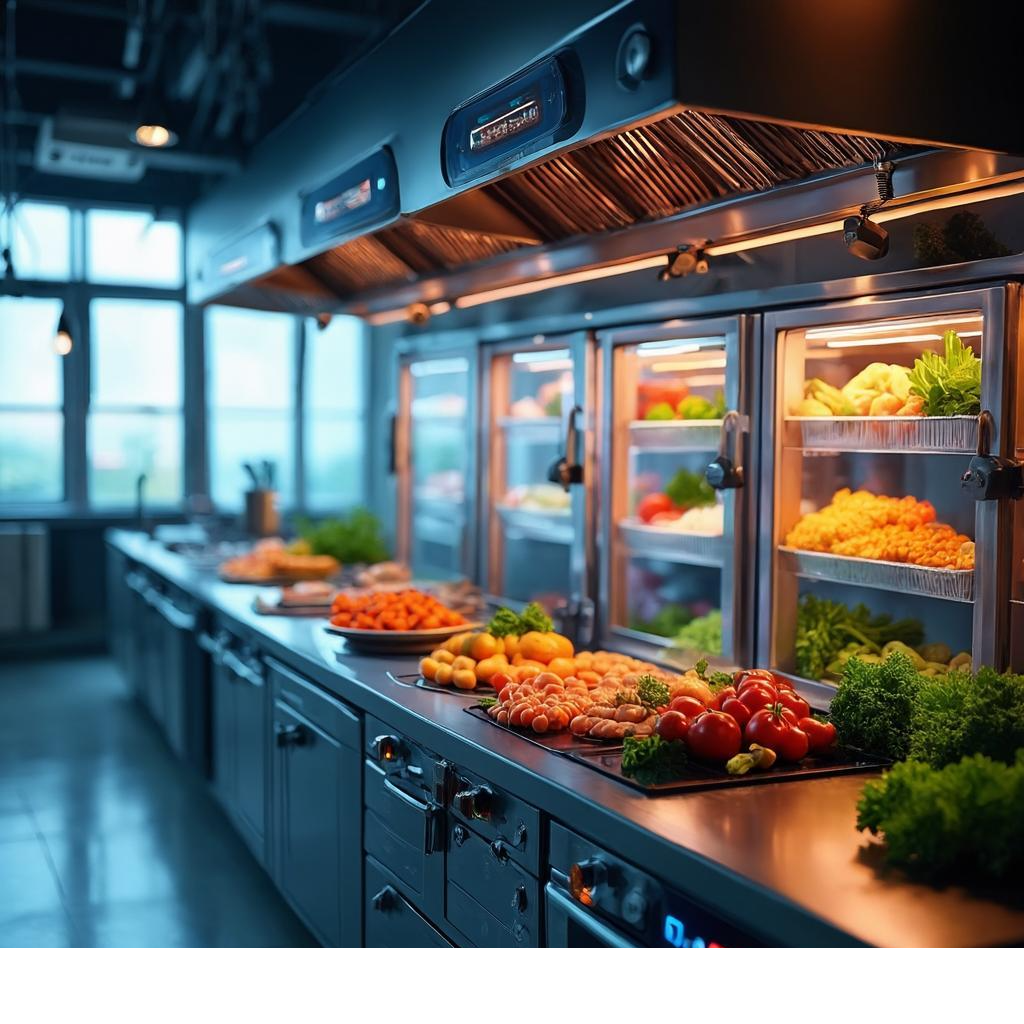
Commercial refrigeration equipment is non-negotiable for any food service operation. It’s the first line of defense against foodborne illness and ensures ingredients remain fresh, preserving both quality and value. From reach-in units for quick access to ingredients at prep stations, to walk-in coolers and freezers for storing large volumes, the right refrigeration setup is critical. Each type serves a specific purpose, and choosing the correct capacity and configuration depends on your menu, storage needs, and available space. Proper temperature control is paramount. Refrigerators should maintain a consistent temperature between 34°F and 40°F (1°C and 4°C), while freezers need to stay at 0°F (-18°C) or below. Regularly monitor temperatures using calibrated thermometers and log readings. Ensure good airflow around units for efficient cooling and prevent overloading shelves, which can impede proper air circulation. Organize contents logically, using the FIFO (First-In, First-Out) method to ensure older stock is used first. Regular cleaning and defrosting (if applicable) are also crucial for maintaining performance and preventing ice buildup. Investing in energy-efficient models can lead to significant long-term savings on utility bills. Features like digital temperature controls, remote monitoring capabilities, and improved insulation contribute to both efficiency and reliability. Remember, a well-maintained refrigeration system not only keeps food safe and fresh but also helps protect your bottom line by reducing waste and preventing costly spoilage.
Read More

The Rise of Induction Cooking in Commercial Kitchens

Induction cooking has moved from a niche technology to a mainstream contender in commercial kitchens, and for good reason. Unlike gas, which heats the cookware indirectly through a flame, or traditional electric, which relies on a heated element, induction cooking uses electromagnetic energy to heat the cookware itself directly. This results in significantly faster heating times, often cutting cooking times by up to 50% compared to other methods. The heat is also highly localized, reducing heat loss to the surrounding environment. Precision is another major advantage. Induction cooktops offer incredibly fine temperature control, allowing chefs to make instant adjustments, essential for techniques like simmering or delicate sautéing. The surface of the cooktop remains relatively cool (though the pan is hot), making it safer to operate and reducing the risk of burns. It also creates a cleaner kitchen environment with less grease splatter and combustion byproducts. From an operational standpoint, induction is highly energy-efficient, often using 70-80% of the energy it consumes, compared to around 40-50% for gas. While induction requires compatible cookware (magnetic bottoms), the benefits often outweigh this requirement. Chefs appreciate the responsiveness and control, while operators value the energy savings, safety improvements, and reduced ventilation demands. As induction technology continues to evolve and costs become more competitive, it’s poised to become an even more dominant force in commercial cooking.
Read More

Optimizing Your Kitchen Layout for Peak Performance

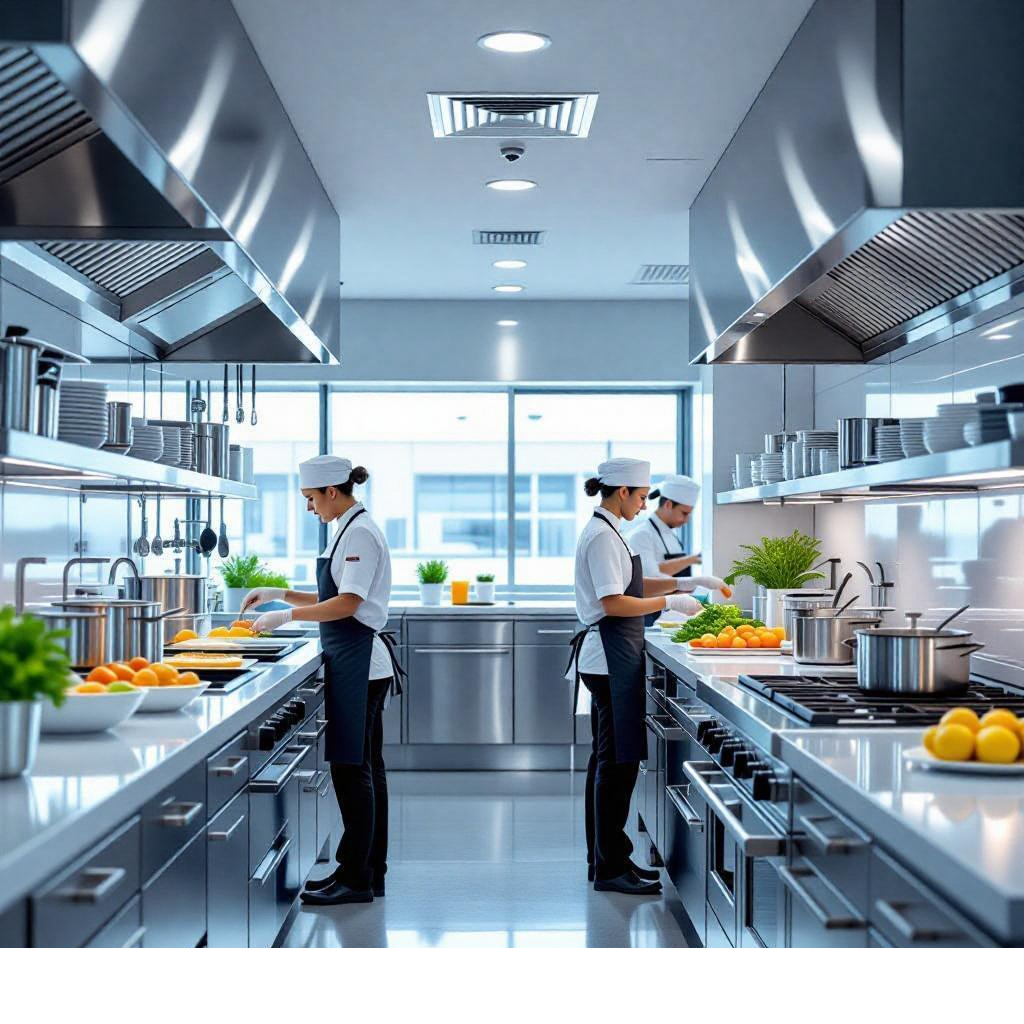
The layout of a commercial kitchen significantly impacts its efficiency, safety, and overall workflow. An optimized layout minimizes unnecessary movement, reduces bottlenecks, and ensures a smooth flow from receiving ingredients to plating dishes. The most common layout principles include the assembly line (ideal for QSRs), the zone kitchen (where specific stations handle different tasks), and the island kitchen (which can improve communication and flexibility). The key is to arrange equipment logically based on the sequence of food preparation and service. Ergonomics plays a vital role. Ensure adequate space between workstations for easy movement, especially during peak hours. Consider the placement of heavy equipment like ovens and refrigerators to avoid excessive lifting or carrying. Workflow should generally move from dirty (dishwashing, receiving) to clean (preparation, cooking) to service areas. Cross-contamination risks must also be minimized by separating raw and ready-to-eat food preparation zones. Good lighting and ventilation are equally important for staff comfort and food quality. When planning or redesigning a kitchen layout, involve your kitchen staff. They understand the daily challenges and can provide invaluable insights. While factors like building structure and plumbing often dictate some aspects of the layout, strategic planning can make a significant difference. A well-designed kitchen not only improves efficiency and reduces staff fatigue but also contributes to a safer working environment, ultimately leading to better food quality and customer satisfaction.
Read More

Innovations in Food Safety Technology for Commercial Kitchens

Ensuring food safety in a busy commercial kitchen is a constant challenge, but technology is providing increasingly sophisticated solutions. Modern innovations go beyond basic handwashing and temperature checks. Smart thermometers, for instance, can provide instant, accurate readings and even alert staff if food enters the danger zone, reducing the risk of foodborne illness. Some systems can log temperature data automatically, simplifying compliance with health regulations. Automated cleaning and sanitization systems are another frontier. Robotic scrubbers can tackle floor cleaning consistently, while advanced dishwashing machines use optimized cycles and sanitizers to ensure plates, utensils, and equipment are thoroughly cleaned and disinfected. UV-C light technology is also being integrated into various equipment to provide an extra layer of surface sanitization without harsh chemicals. These technologies not only improve safety but can also reduce water and energy consumption compared to manual methods. Investing in food safety technology demonstrates a commitment to customer health and regulatory compliance. It can also improve operational efficiency by automating tasks and providing real-time data for monitoring. While the initial investment can be significant, the long-term benefits of preventing costly recalls, lawsuits, and damage to reputation make it a worthwhile consideration for forward-thinking food service businesses aiming for excellence and peace of mind.
Read More

Maximizing ROI: Maintenance Tips for Commercial Kitchen Appliances

Commercial kitchen appliances are workhorses, enduring heavy use day in and day out. To ensure they continue performing optimally and protect your investment, a proactive maintenance schedule is crucial. Regular cleaning is the first line of defense. This includes wiping down surfaces, cleaning filters (especially in hoods and ventilation systems), descaling water lines in coffee machines or steamers, and cleaning burners on ranges. Neglecting these tasks can lead to decreased efficiency, unpleasant odors, and even safety hazards. Beyond basic cleaning, preventative maintenance involves more in-depth checks. Schedule regular professional servicing for major appliances like refrigerators, freezers, and ovens. Technicians can identify potential issues before they become major breakdowns, ensuring components like seals, thermostats, and motors are functioning correctly. Following the manufacturer's recommended maintenance schedule is key. Keeping a log of maintenance activities also helps track performance and warranty information. Investing time and resources into proper maintenance pays off significantly. It reduces unexpected downtime, which can be devastating for a restaurant’s revenue. Well-maintained equipment also operates more efficiently, potentially lowering energy bills. Furthermore, it ensures food safety by preventing the buildup of bacteria and contaminants. Treat maintenance not as an expense, but as a vital part of operating a successful and sustainable food service business.
Read More

The Essential Role of High-Volume Food Prep Equipment

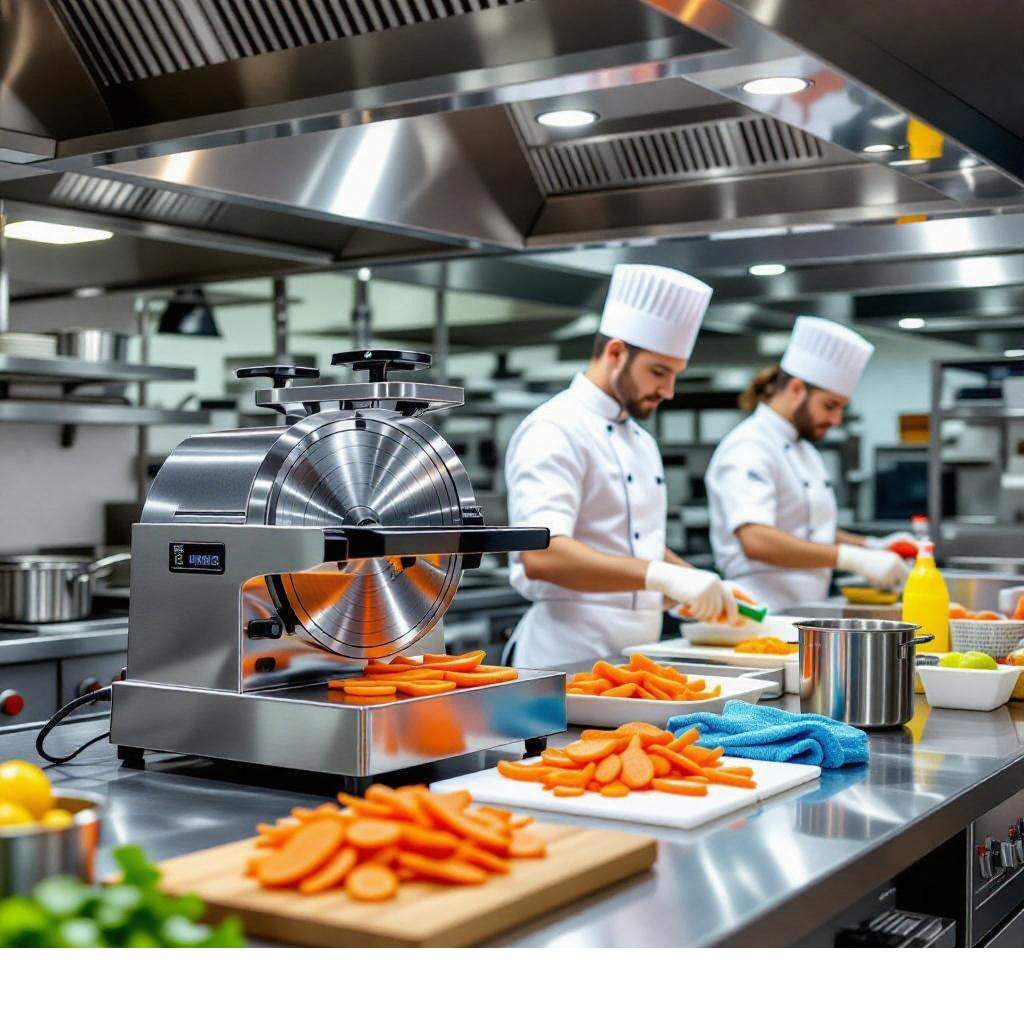
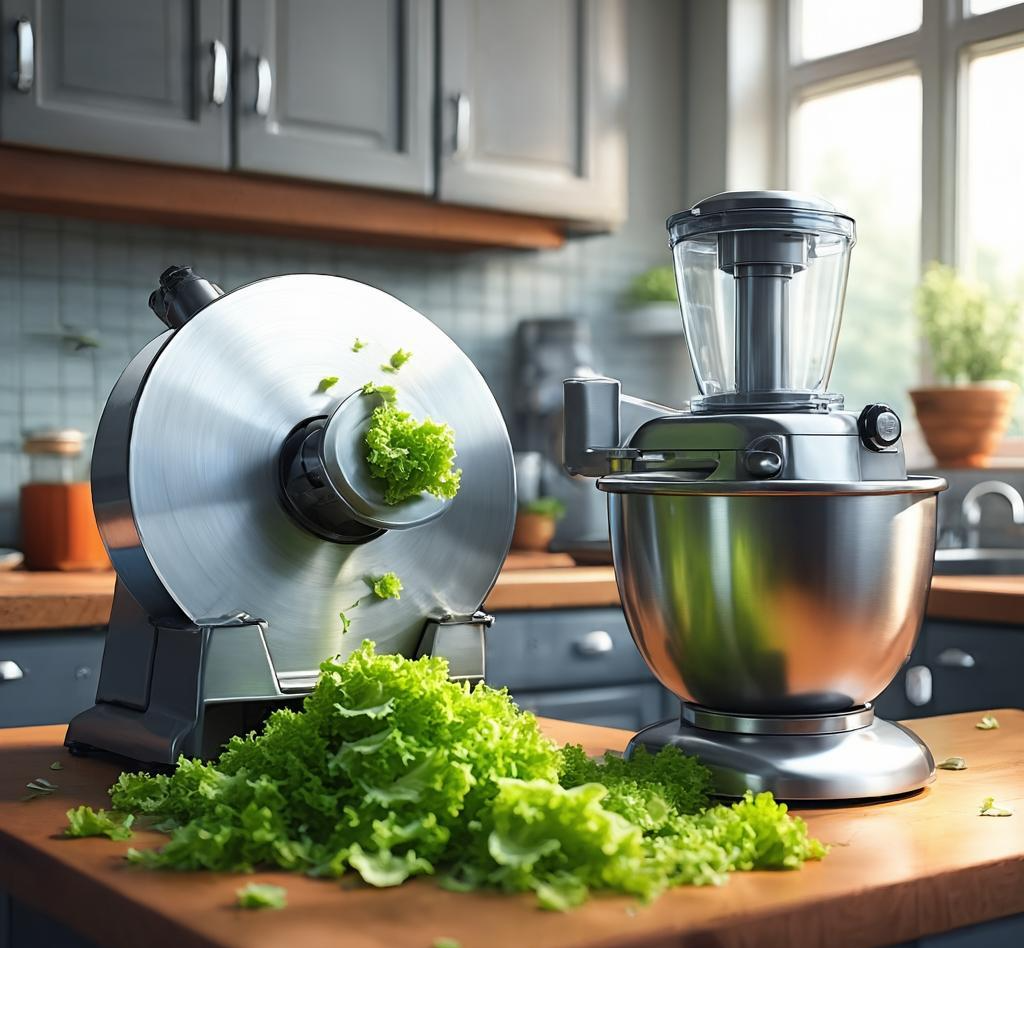
In a high-volume kitchen, every second counts, and food preparation can often be the biggest time sink. Investing in robust, high-volume prep equipment isn’t just a luxury; it’s a necessity for maintaining service speed and consistency. Equipment like commercial-grade food processors, mandolines, meat grinders, and large-capacity mixers can handle repetitive tasks quickly and uniformly, freeing up valuable staff time for more complex cooking and customer service. The right prep equipment can significantly reduce labor costs and minimize the risk of injuries associated with manual prep work. For example, a commercial slicer ensures consistent thickness for sandwiches or salads, while a powerful mixer can quickly prepare large batches of dough or batter. When selecting prep equipment, consider the specific items you prepare most often, the volume, and the durability needed to withstand constant use. While the upfront cost might be higher, the long-term savings in time, labor, and consistency make it a wise investment for any busy food service operation. Streamlining your prep station with the right tools also improves workflow organization. Having the correct machine readily available for chopping, mixing, or slicing reduces clutter and ensures a smoother transition from order to plate. Evaluate your menu and prep tasks to identify bottlenecks – these are often the best places to invest in high-volume prep equipment for maximum impact.
Read More

Choosing the Right Commercial Range: Gas vs. Electric

Selecting the right commercial range is one of the most important decisions for a restaurant’s kitchen. The debate between gas and electric ranges often comes down to preference, cost, and operational needs. Gas ranges offer immediate heat control, providing chefs with the responsiveness needed for delicate sautéing or searing. The open flame also imparts a unique flavor to food, which many chefs prefer. However, gas requires a gas line hookup and potentially higher utility costs depending on local gas prices. Electric ranges, on the other hand, offer a cleaner cooking environment as they don't produce combustion byproducts. They are often easier to install, requiring only an electrical connection. Modern electric ranges, especially those with induction technology, provide excellent heat control and efficiency. Induction ranges heat the cookware directly, leading to faster cooking times and less wasted energy. They are also safer with cool-to-the-touch surfaces away from the cooking zone. Ultimately, the choice depends on your priorities. If precise, instant heat control and flavor infusion are paramount, gas might be the winner. If energy efficiency, ease of installation, and a cleaner kitchen environment are higher on your list, electric ranges, particularly induction, are strong contenders. Consider your menu, chef preferences, and long-term operational costs when making this critical choice.
Read More

Boosting Restaurant Efficiency: The Power of Integrated Kitchen Systems

The modern commercial kitchen is a symphony of activity, demanding precision and speed. Integrated kitchen systems are designed to harmonize this activity, connecting various pieces of equipment like ovens, grills, and prep stations through shared controls or workflows. This connectivity minimizes downtime, reduces manual transfers, and ensures consistency across dishes. Imagine ingredients moving smoothly from a high-speed dishwasher to a prepped station, then directly onto a precisely calibrated cooking line – that’s the power of integration. Investing in an integrated system isn't just about buying individual machines; it's about strategic planning. Consider the flow of food, the types of dishes you serve, and how equipment can support each other. While the initial setup might require careful planning, the long-term gains in efficiency, reduced labor costs, and improved food quality are substantial. It transforms the kitchen from a collection of tools into a highly efficient production unit. For restaurants aiming for high volume or complex menus, integrated systems can be a game-changer. They reduce errors, speed up service times, and create a more ergonomic environment for staff. As technology advances, expect even smarter integration, potentially incorporating inventory management and automated cooking sequences, further elevating the capabilities of the commercial kitchen.
Read More

CONTACT US

If you have any queries, get in touch today! Don't hesitate. We try to take the extra step for our customer satisfaction.