

Skip to content

WELCOME TO OUR BLOG

We’re sharing knowledge in the areas which fascinate us the most
Home > Blog > Baking & Pastry Equipment

The Essential Role of High-Volume Food Prep Equipment

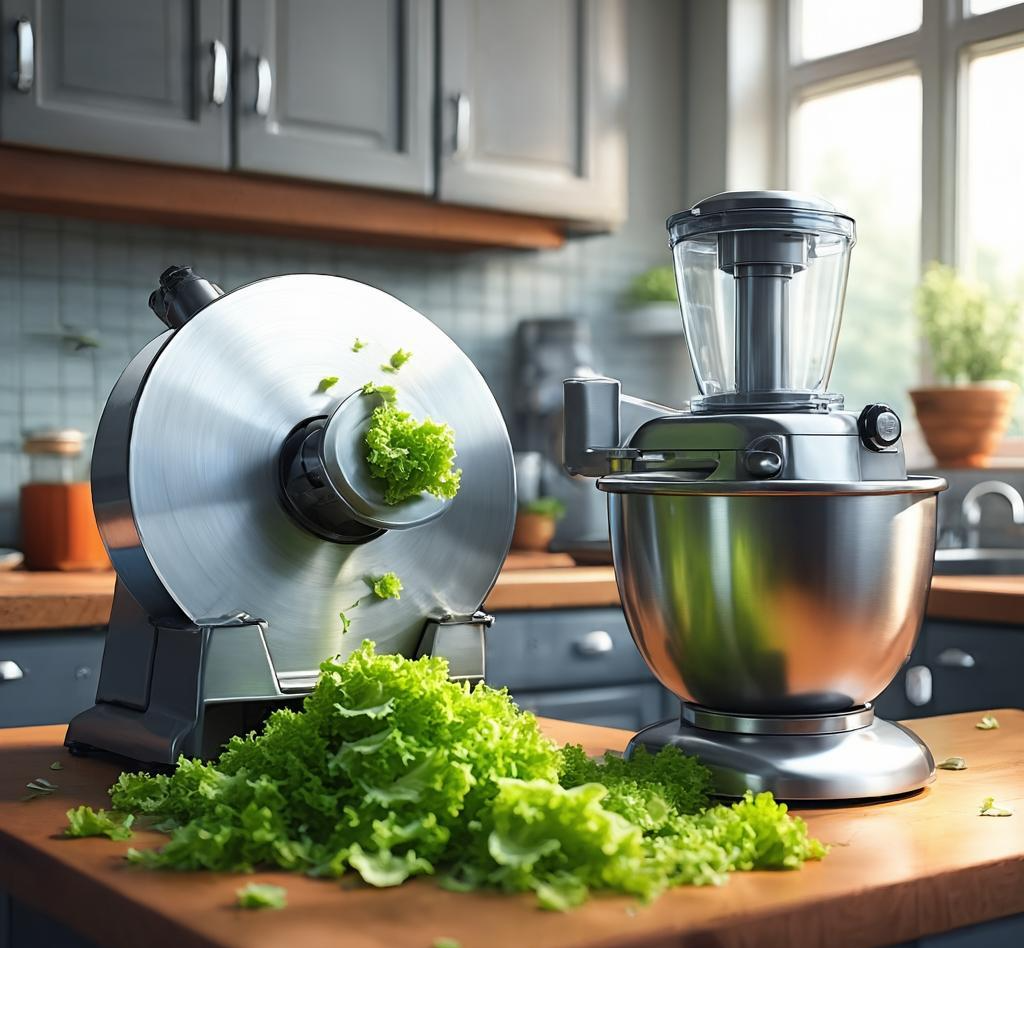
In a high-volume kitchen, every second counts, and food preparation can often be the biggest time sink. Investing in robust, high-volume prep equipment isn’t just a luxury; it’s a necessity for maintaining service speed and consistency. Equipment like commercial-grade food processors, mandolines, meat grinders, and large-capacity mixers can handle repetitive tasks quickly and uniformly, freeing up valuable staff time for more complex cooking and customer service. The right prep equipment can significantly reduce labor costs and minimize the risk of injuries associated with manual prep work. For example, a commercial slicer ensures consistent thickness for sandwiches or salads, while a powerful mixer can quickly prepare large batches of dough or batter. When selecting prep equipment, consider the specific items you prepare most often, the volume, and the durability needed to withstand constant use. While the upfront cost might be higher, the long-term savings in time, labor, and consistency make it a wise investment for any busy food service operation. Streamlining your prep station with the right tools also improves workflow organization. Having the correct machine readily available for chopping, mixing, or slicing reduces clutter and ensures a smoother transition from order to plate. Evaluate your menu and prep tasks to identify bottlenecks – these are often the best places to invest in high-volume prep equipment for maximum impact.
Read More
Choosing the Right Commercial Range: Gas vs. Electric

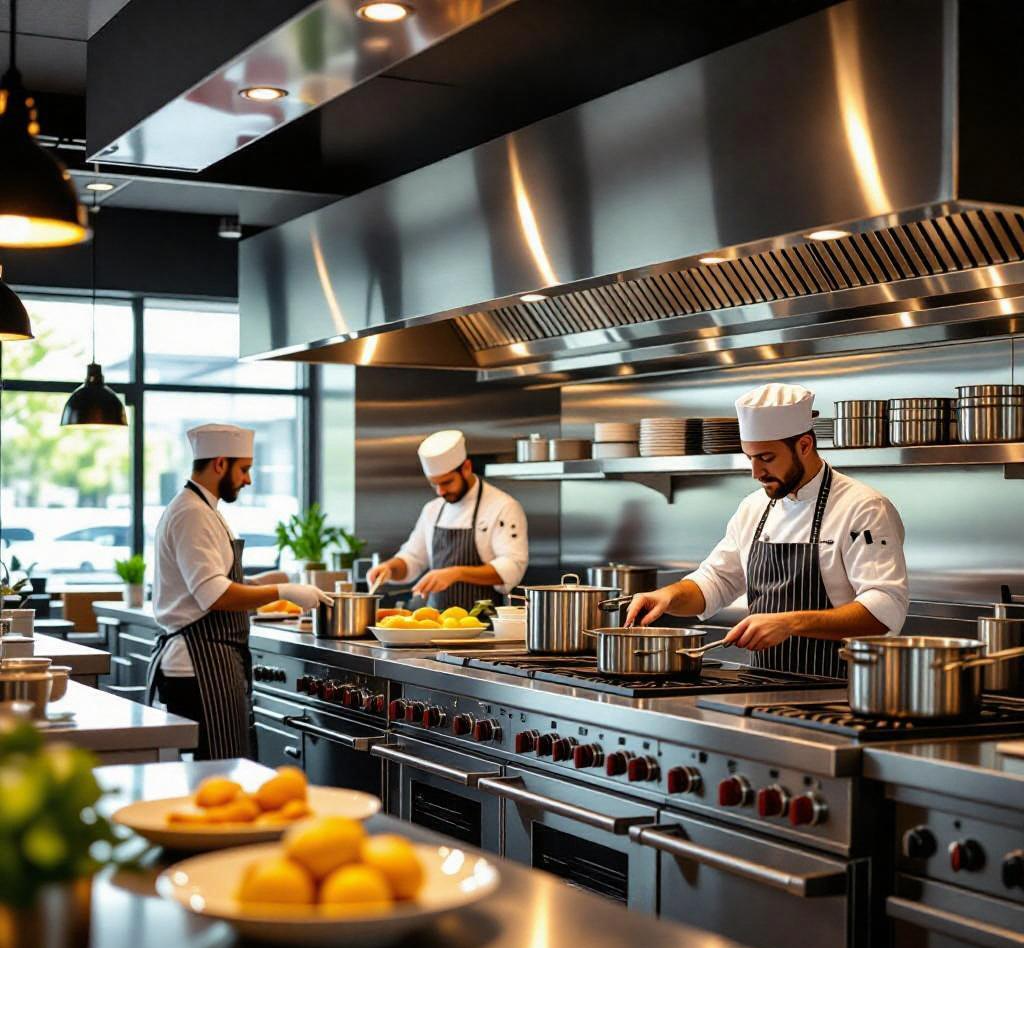
Selecting the right commercial range is one of the most important decisions for a restaurant’s kitchen. The debate between gas and electric ranges often comes down to preference, cost, and operational needs. Gas ranges offer immediate heat control, providing chefs with the responsiveness needed for delicate sautéing or searing. The open flame also imparts a unique flavor to food, which many chefs prefer. However, gas requires a gas line hookup and potentially higher utility costs depending on local gas prices. Electric ranges, on the other hand, offer a cleaner cooking environment as they don't produce combustion byproducts. They are often easier to install, requiring only an electrical connection. Modern electric ranges, especially those with induction technology, provide excellent heat control and efficiency. Induction ranges heat the cookware directly, leading to faster cooking times and less wasted energy. They are also safer with cool-to-the-touch surfaces away from the cooking zone. Ultimately, the choice depends on your priorities. If precise, instant heat control and flavor infusion are paramount, gas might be the winner. If energy efficiency, ease of installation, and a cleaner kitchen environment are higher on your list, electric ranges, particularly induction, are strong contenders. Consider your menu, chef preferences, and long-term operational costs when making this critical choice.
Read More

Boosting Restaurant Efficiency: The Power of Integrated Kitchen Systems

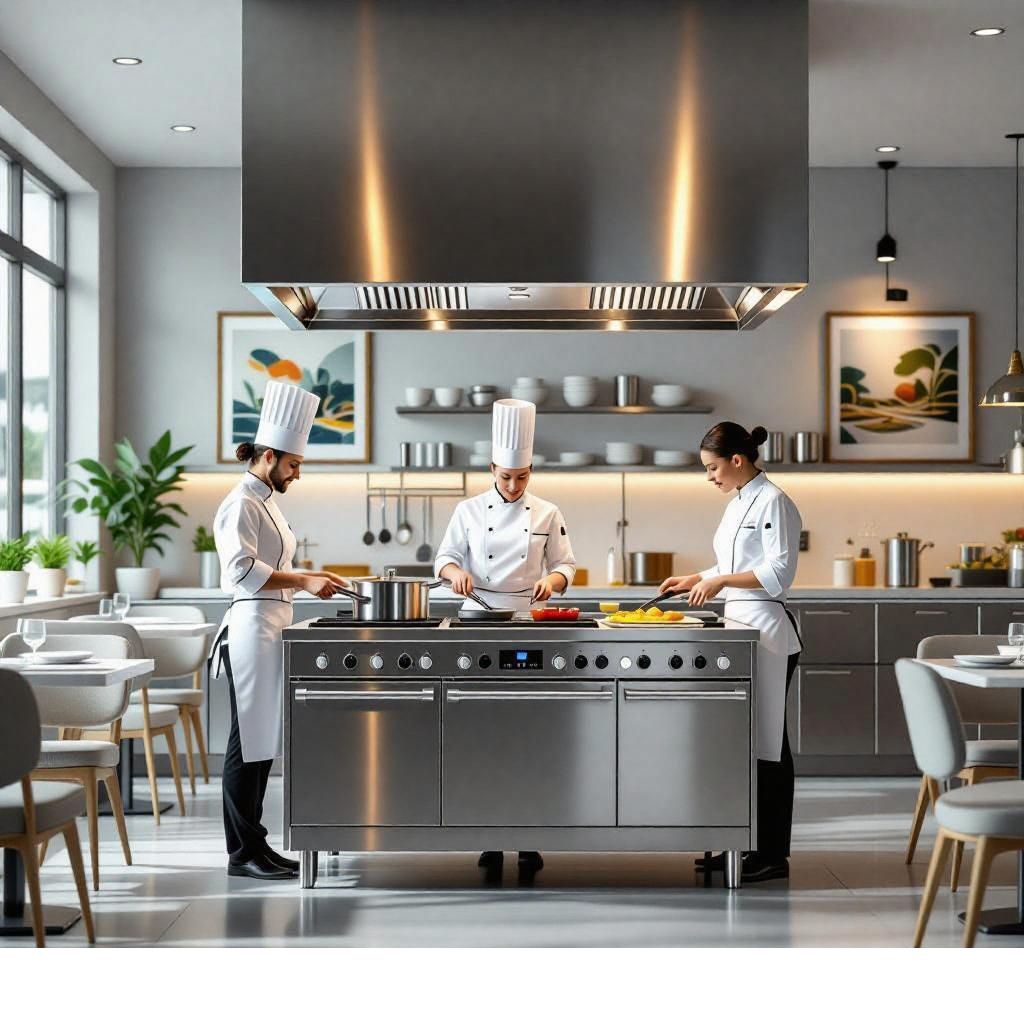
The modern commercial kitchen is a symphony of activity, demanding precision and speed. Integrated kitchen systems are designed to harmonize this activity, connecting various pieces of equipment like ovens, grills, and prep stations through shared controls or workflows. This connectivity minimizes downtime, reduces manual transfers, and ensures consistency across dishes. Imagine ingredients moving smoothly from a high-speed dishwasher to a prepped station, then directly onto a precisely calibrated cooking line – that’s the power of integration. Investing in an integrated system isn't just about buying individual machines; it's about strategic planning. Consider the flow of food, the types of dishes you serve, and how equipment can support each other. While the initial setup might require careful planning, the long-term gains in efficiency, reduced labor costs, and improved food quality are substantial. It transforms the kitchen from a collection of tools into a highly efficient production unit. For restaurants aiming for high volume or complex menus, integrated systems can be a game-changer. They reduce errors, speed up service times, and create a more ergonomic environment for staff. As technology advances, expect even smarter integration, potentially incorporating inventory management and automated cooking sequences, further elevating the capabilities of the commercial kitchen.
Read More

CONTACT US

If you have any queries, get in touch today! Don't hesitate. We try to take the extra step for our customer satisfaction.