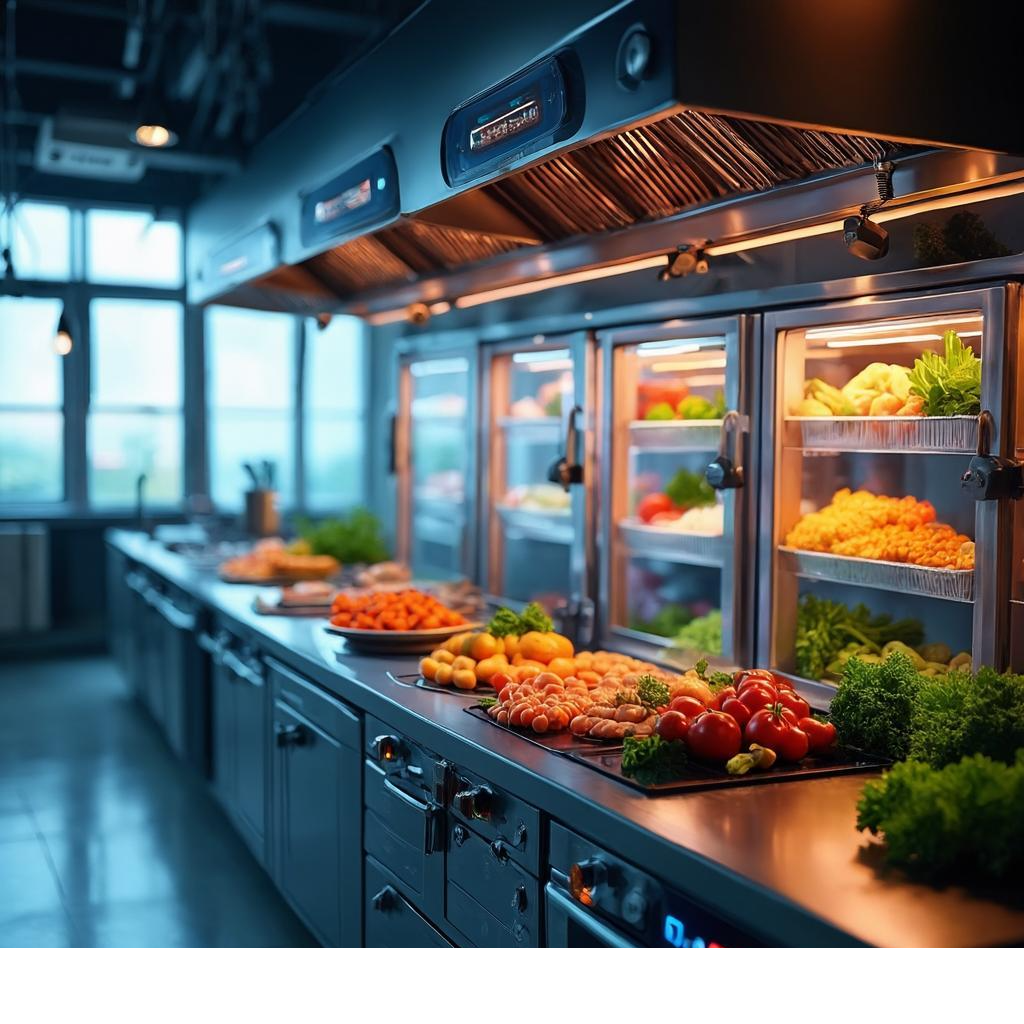
Induction cooking has moved from a niche technology to a mainstream contender in commercial kitchens, and for good reason. Unlike gas, which heats the cookware indirectly through a flame, or traditional electric, which relies on a heated element, induction cooking uses electromagnetic energy to heat the cookware itself directly. This results in significantly faster heating times, often cutting cooking times by up to 50% compared to other methods. The heat is also highly localized, reducing heat loss to the surrounding environment.

Precision is another major advantage. Induction cooktops offer incredibly fine temperature control, allowing chefs to make instant adjustments, essential for techniques like simmering or delicate sautéing. The surface of the cooktop remains relatively cool (though the pan is hot), making it safer to operate and reducing the risk of burns. It also creates a cleaner kitchen environment with less grease splatter and combustion byproducts. From an operational standpoint, induction is highly energy-efficient, often using 70-80% of the energy it consumes, compared to around 40-50% for gas.
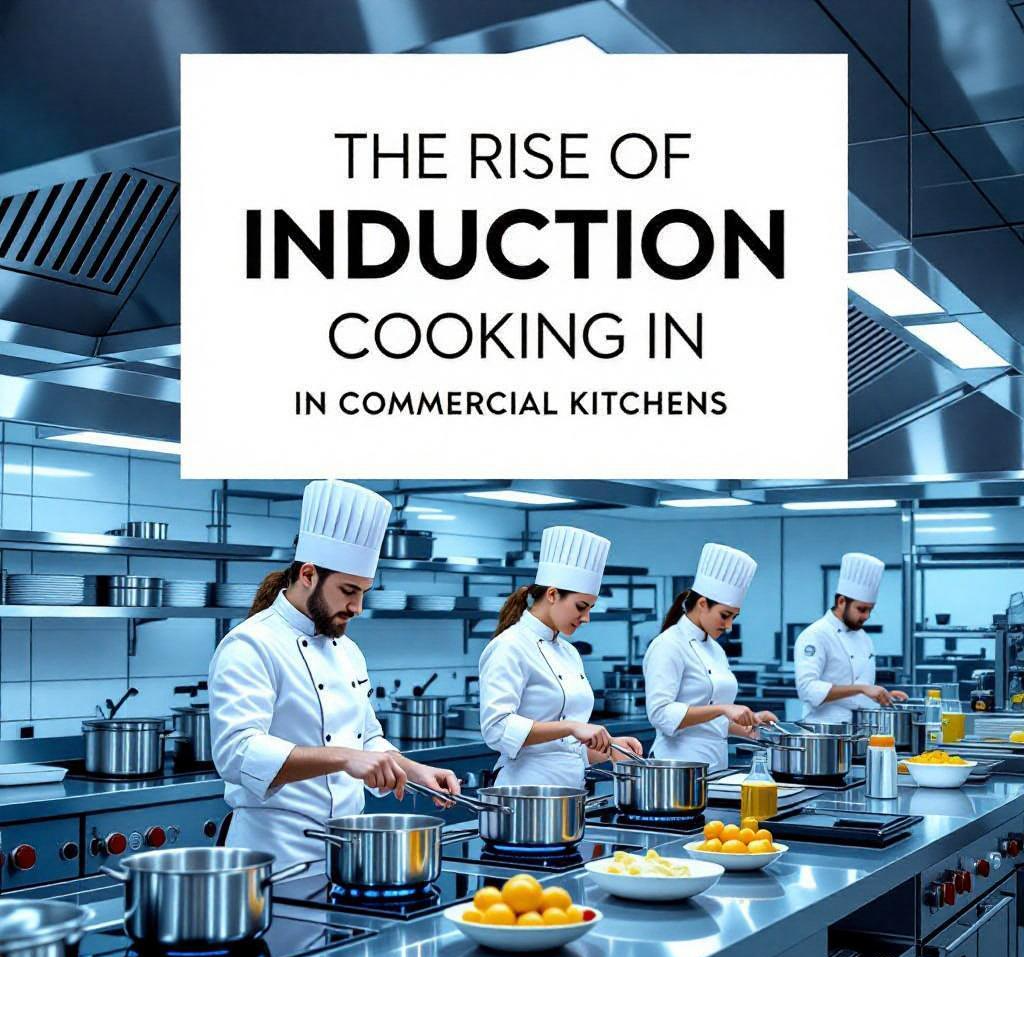
While induction requires compatible cookware (magnetic bottoms), the benefits often outweigh this requirement. Chefs appreciate the responsiveness and control, while operators value the energy savings, safety improvements, and reduced ventilation demands. As induction technology continues to evolve and costs become more competitive, it’s poised to become an even more dominant force in commercial cooking.