

Skip to content

WELCOME TO OUR BLOG

We’re sharing knowledge in the areas which fascinate us the most
Home > Blog > Fast Food & Quick Service Solutions

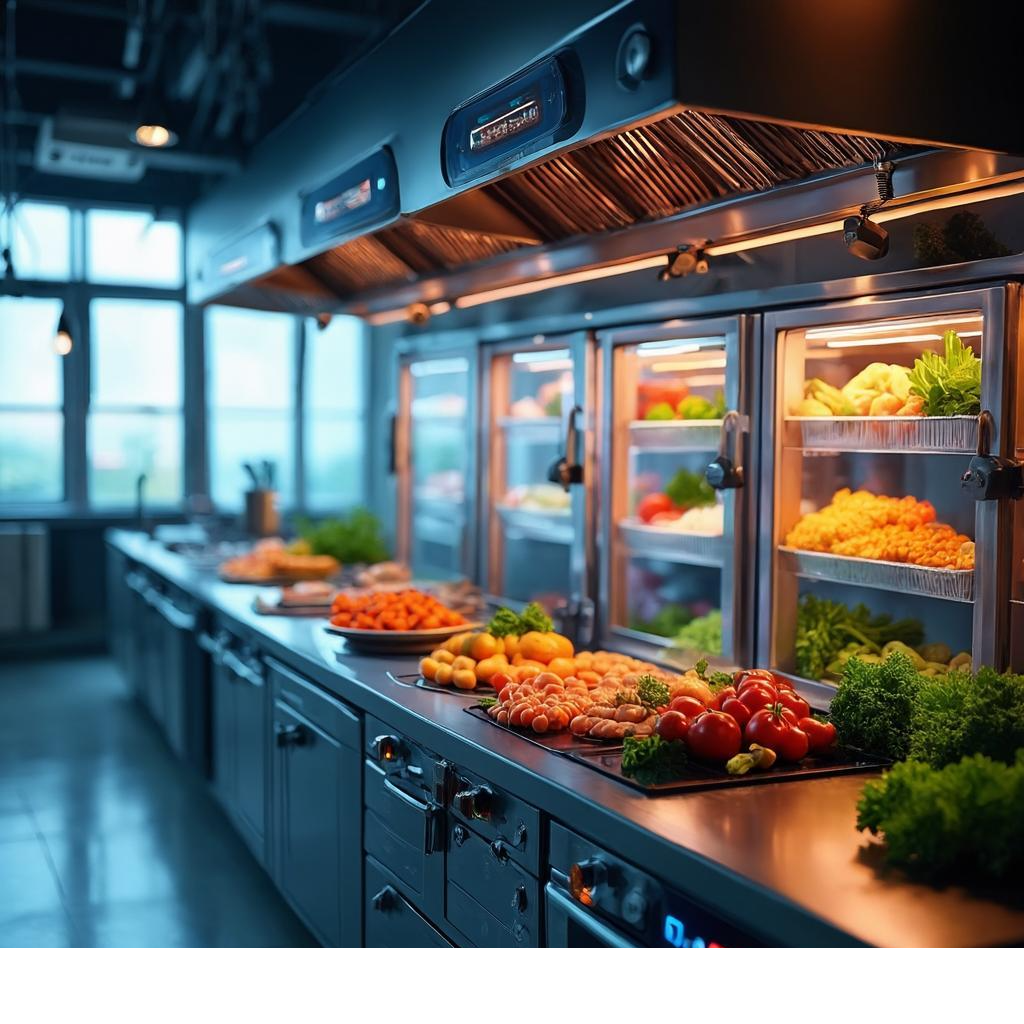
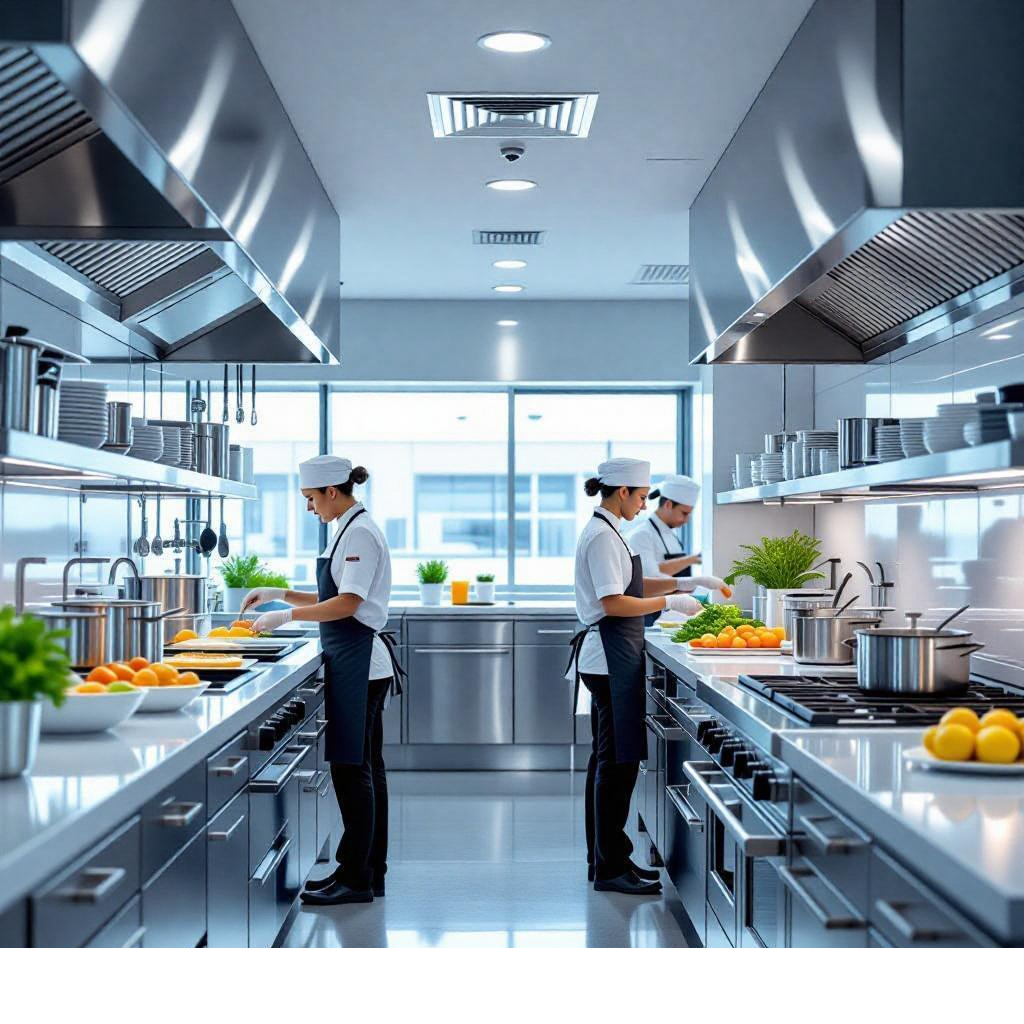
Optimizing Your Kitchen Layout for Peak Performance

The layout of a commercial kitchen significantly impacts its efficiency, safety, and overall workflow. An optimized layout minimizes unnecessary movement, reduces bottlenecks, and ensures a smooth flow from receiving ingredients to plating dishes. The most common layout principles include the assembly line (ideal for QSRs), the zone kitchen (where specific stations handle different tasks), and the island kitchen (which can improve communication and flexibility). The key is to arrange equipment logically based on the sequence of food preparation and service. Ergonomics plays a vital role. Ensure adequate space between workstations for easy movement, especially during peak hours. Consider the placement of heavy equipment like ovens and refrigerators to avoid excessive lifting or carrying. Workflow should generally move from dirty (dishwashing, receiving) to clean (preparation, cooking) to service areas. Cross-contamination risks must also be minimized by separating raw and ready-to-eat food preparation zones. Good lighting and ventilation are equally important for staff comfort and food quality. When planning or redesigning a kitchen layout, involve your kitchen staff. They understand the daily challenges and can provide invaluable insights. While factors like building structure and plumbing often dictate some aspects of the layout, strategic planning can make a significant difference. A well-designed kitchen not only improves efficiency and reduces staff fatigue but also contributes to a safer working environment, ultimately leading to better food quality and customer satisfaction.
Read More
Innovations in Food Safety Technology for Commercial Kitchens

Ensuring food safety in a busy commercial kitchen is a constant challenge, but technology is providing increasingly sophisticated solutions. Modern innovations go beyond basic handwashing and temperature checks. Smart thermometers, for instance, can provide instant, accurate readings and even alert staff if food enters the danger zone, reducing the risk of foodborne illness. Some systems can log temperature data automatically, simplifying compliance with health regulations. Automated cleaning and sanitization systems are another frontier. Robotic scrubbers can tackle floor cleaning consistently, while advanced dishwashing machines use optimized cycles and sanitizers to ensure plates, utensils, and equipment are thoroughly cleaned and disinfected. UV-C light technology is also being integrated into various equipment to provide an extra layer of surface sanitization without harsh chemicals. These technologies not only improve safety but can also reduce water and energy consumption compared to manual methods. Investing in food safety technology demonstrates a commitment to customer health and regulatory compliance. It can also improve operational efficiency by automating tasks and providing real-time data for monitoring. While the initial investment can be significant, the long-term benefits of preventing costly recalls, lawsuits, and damage to reputation make it a worthwhile consideration for forward-thinking food service businesses aiming for excellence and peace of mind.
Read More

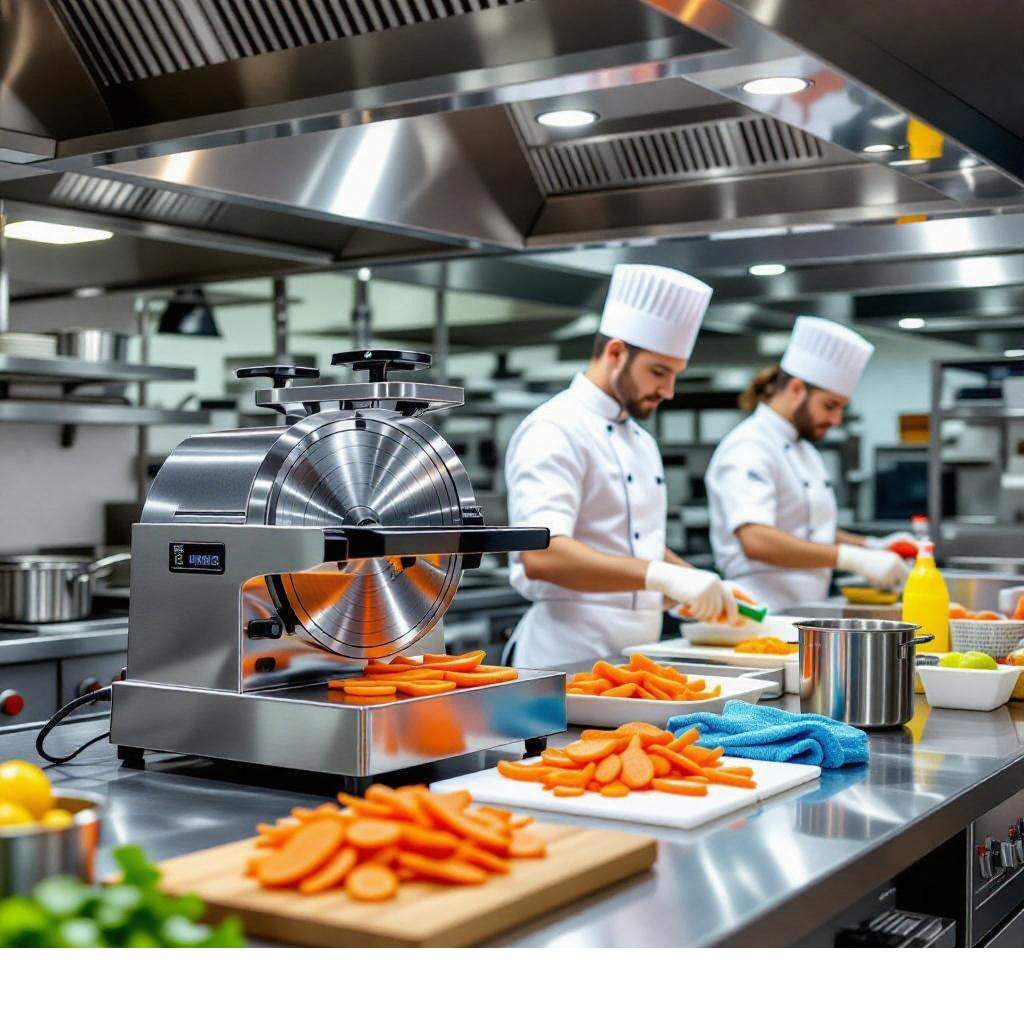
Maximizing ROI: Maintenance Tips for Commercial Kitchen Appliances

Commercial kitchen appliances are workhorses, enduring heavy use day in and day out. To ensure they continue performing optimally and protect your investment, a proactive maintenance schedule is crucial. Regular cleaning is the first line of defense. This includes wiping down surfaces, cleaning filters (especially in hoods and ventilation systems), descaling water lines in coffee machines or steamers, and cleaning burners on ranges. Neglecting these tasks can lead to decreased efficiency, unpleasant odors, and even safety hazards. Beyond basic cleaning, preventative maintenance involves more in-depth checks. Schedule regular professional servicing for major appliances like refrigerators, freezers, and ovens. Technicians can identify potential issues before they become major breakdowns, ensuring components like seals, thermostats, and motors are functioning correctly. Following the manufacturer's recommended maintenance schedule is key. Keeping a log of maintenance activities also helps track performance and warranty information. Investing time and resources into proper maintenance pays off significantly. It reduces unexpected downtime, which can be devastating for a restaurant’s revenue. Well-maintained equipment also operates more efficiently, potentially lowering energy bills. Furthermore, it ensures food safety by preventing the buildup of bacteria and contaminants. Treat maintenance not as an expense, but as a vital part of operating a successful and sustainable food service business.
Read More

CONTACT US

If you have any queries, get in touch today! Don't hesitate. We try to take the extra step for our customer satisfaction.