
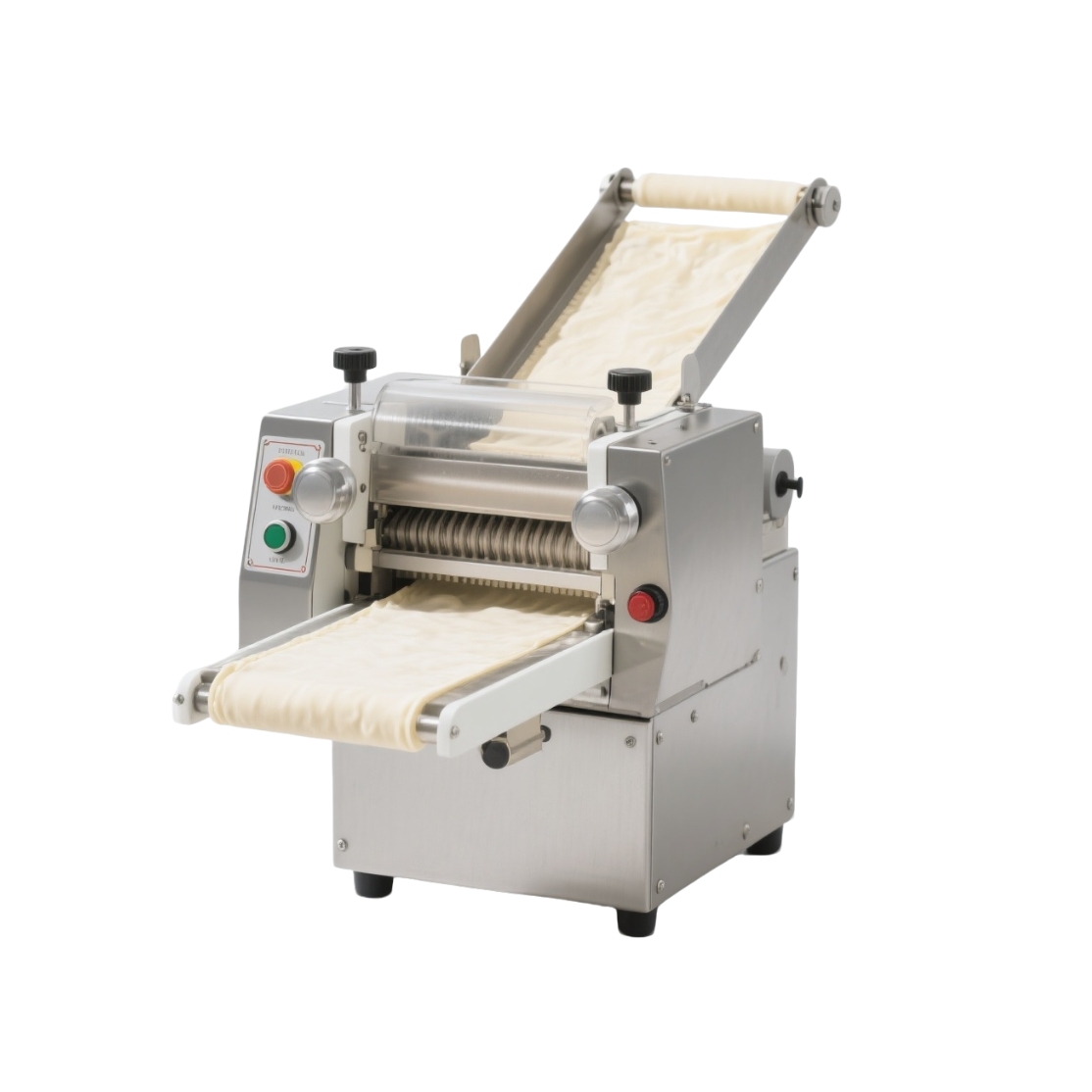
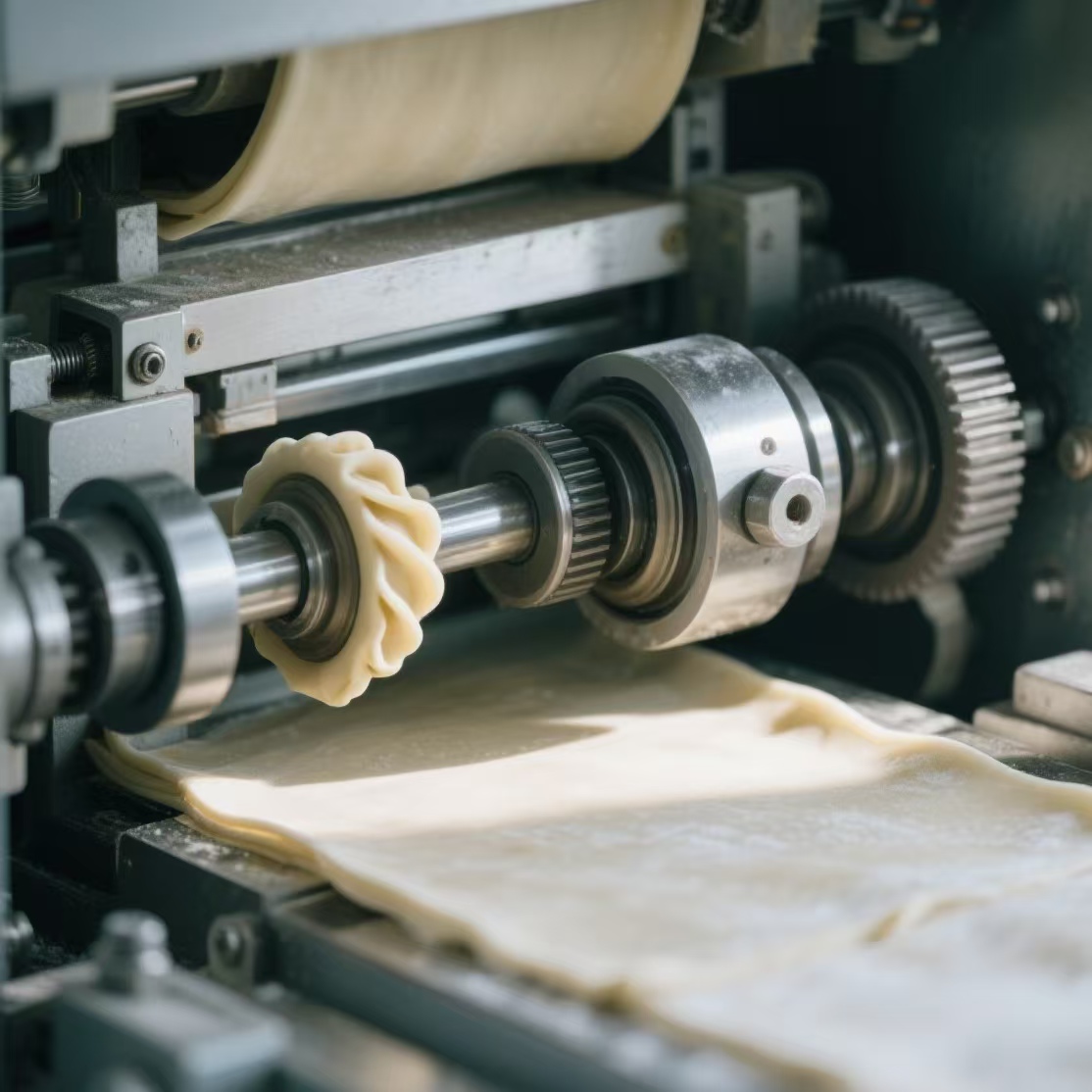
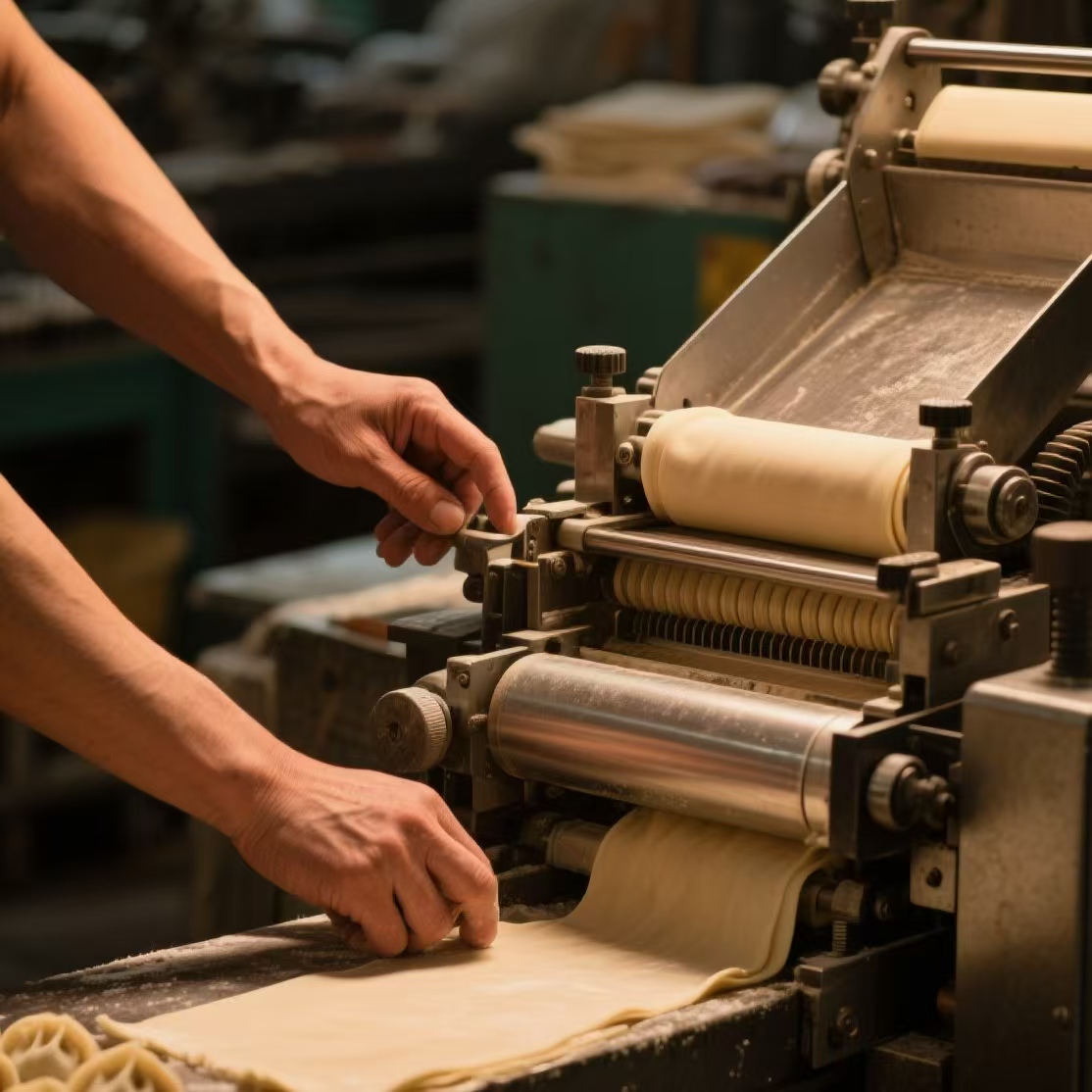
AWSM-2025 Automatic Wonton Skin Machine features “ultra-thin forming + precise specifications”, adopting five sets of calendering rollers for progressive dough rolling. After multiple rollings, the dough forms uniform skin with thickness error ≤0.1mm, smooth surface and not easy to break. The cutting module is equipped with precision molds, which can complete square or round cutting at one time, with no burrs on the edges, and not easy to stick when stacked, saving subsequent manual sorting time.
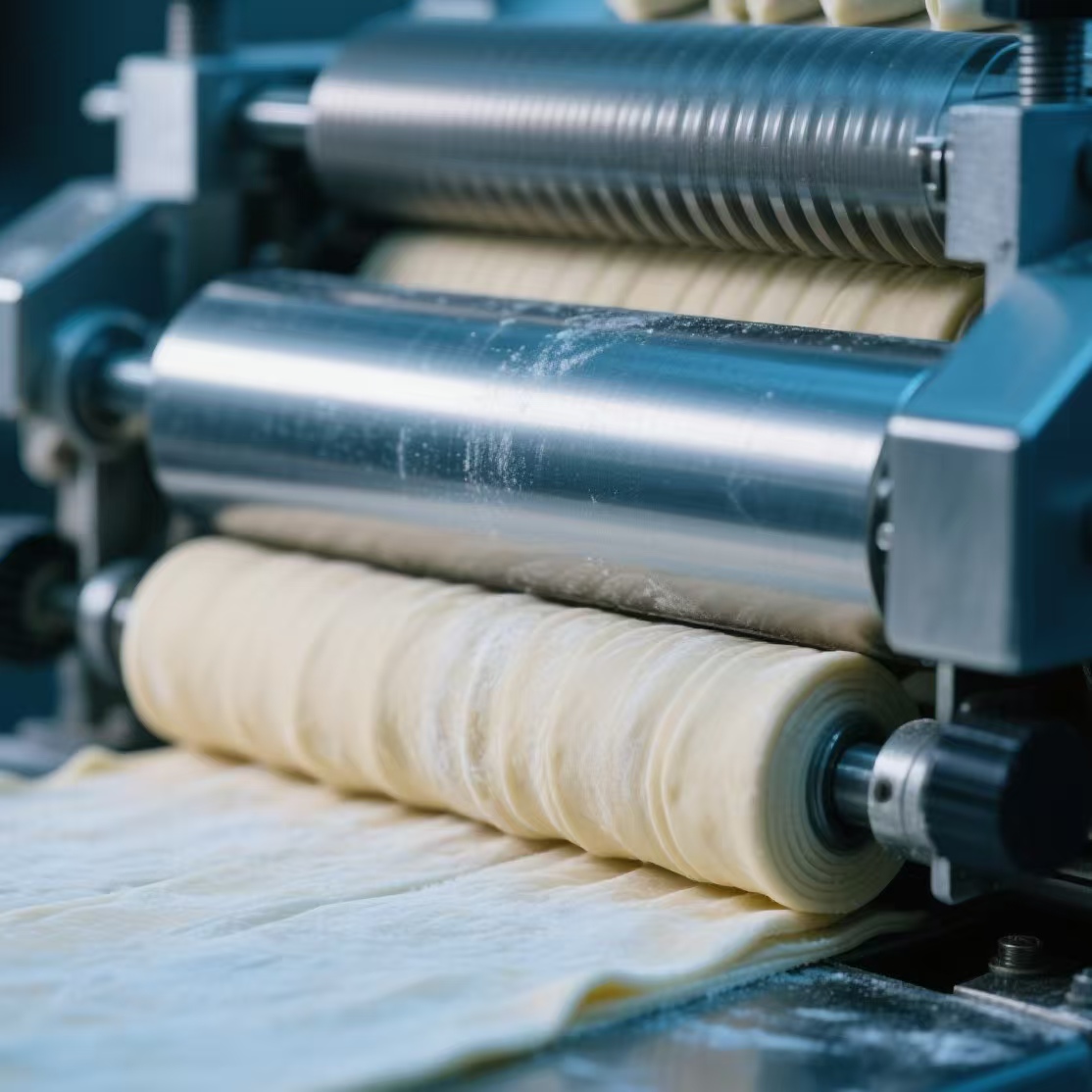
Automatic Wonton Skin Machine
No.AWSM-2025
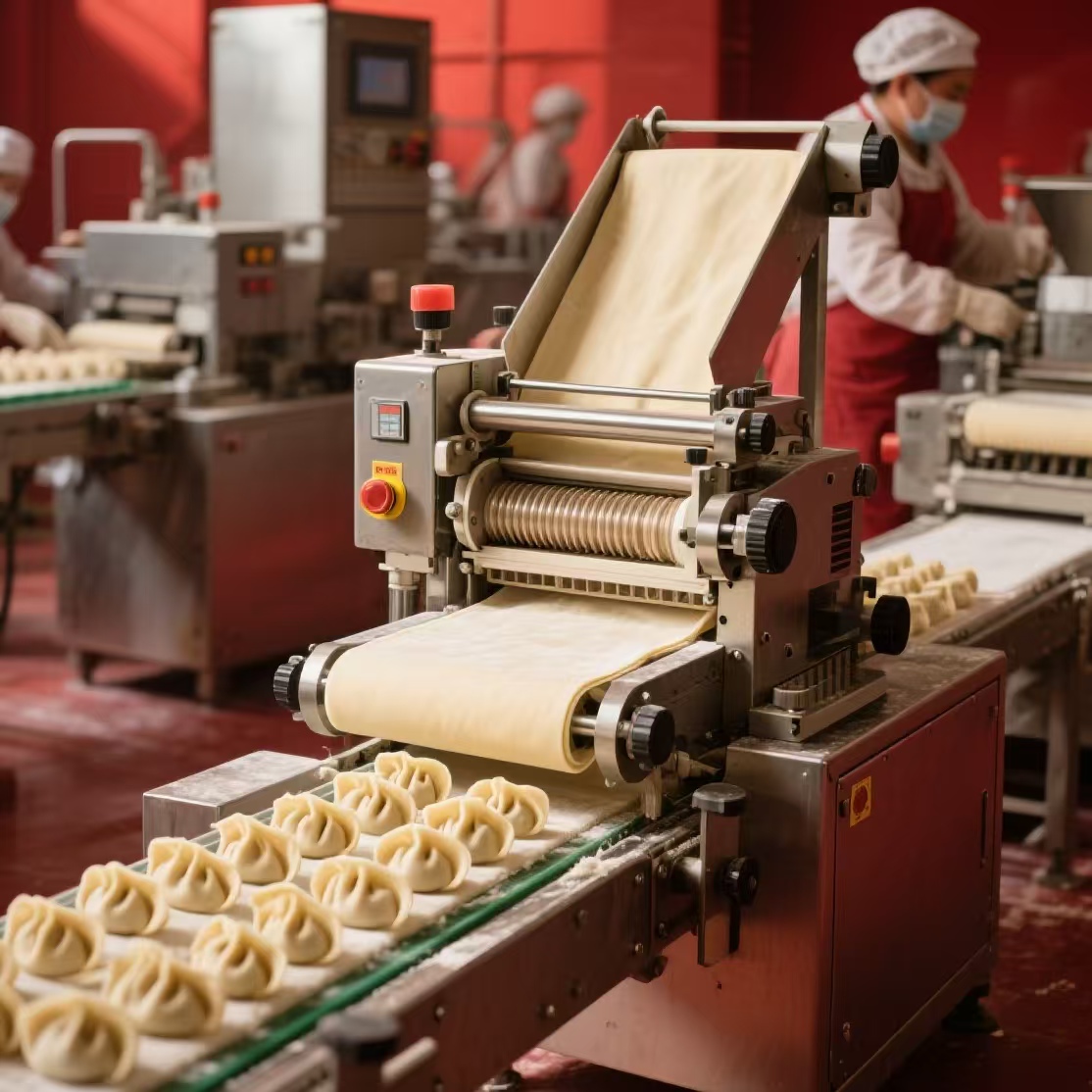
AWSM-2025 Automatic Wonton Skin Machine is an efficient pasta processing equipment, producing uniformly thick, neatly edged wonton skins through integrated dough rolling, forming, and cutting. Suitable for batch production in wonton shops and frozen food factories, it is 10 times more efficient than manual rolling with uniform specifications.
$18000.00
- Voltage
- Voltage: 220V / 380V (optional)
- Power
- 1.5kW
- Slice thickness
- 3 - 20mm (CNC adjustment)
- Suitable bread size
- length ≤ 350mm, width ≤ 150mm, height ≤ 180mm
- - Machine body material:
- 304 stainless steel aluminum alloy
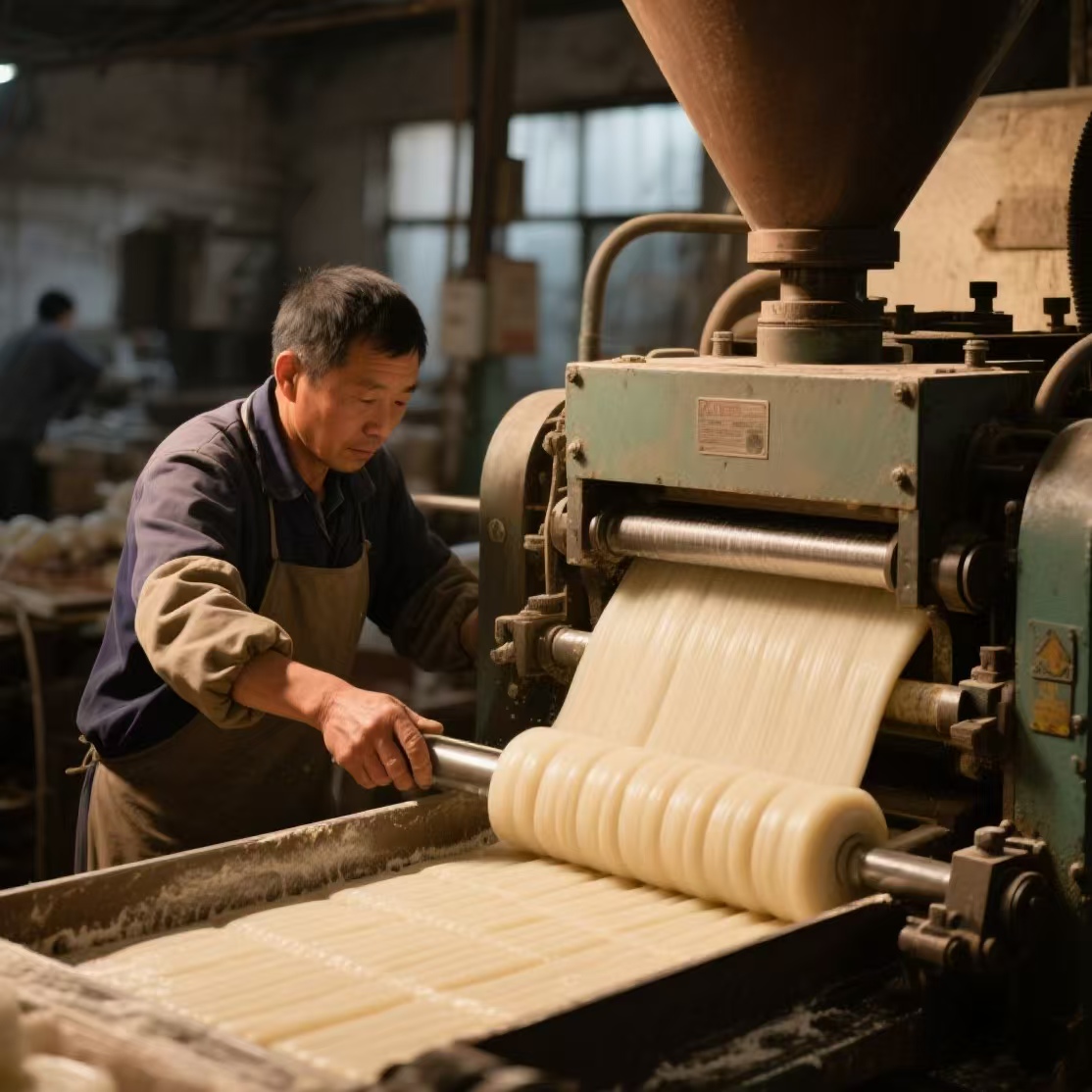
– Food-grade 304 stainless steel is used for parts in contact with dough; calendering rollers can be quickly disassembled for cleaning, meeting food hygiene standards. Equipped with an automatic powdering device, it can evenly apply dry flour to prevent skin sticking; the knob-type operation panel allows intuitive adjustment of thickness and size, operable without professional training. Small footprint, suitable for stores and factories.
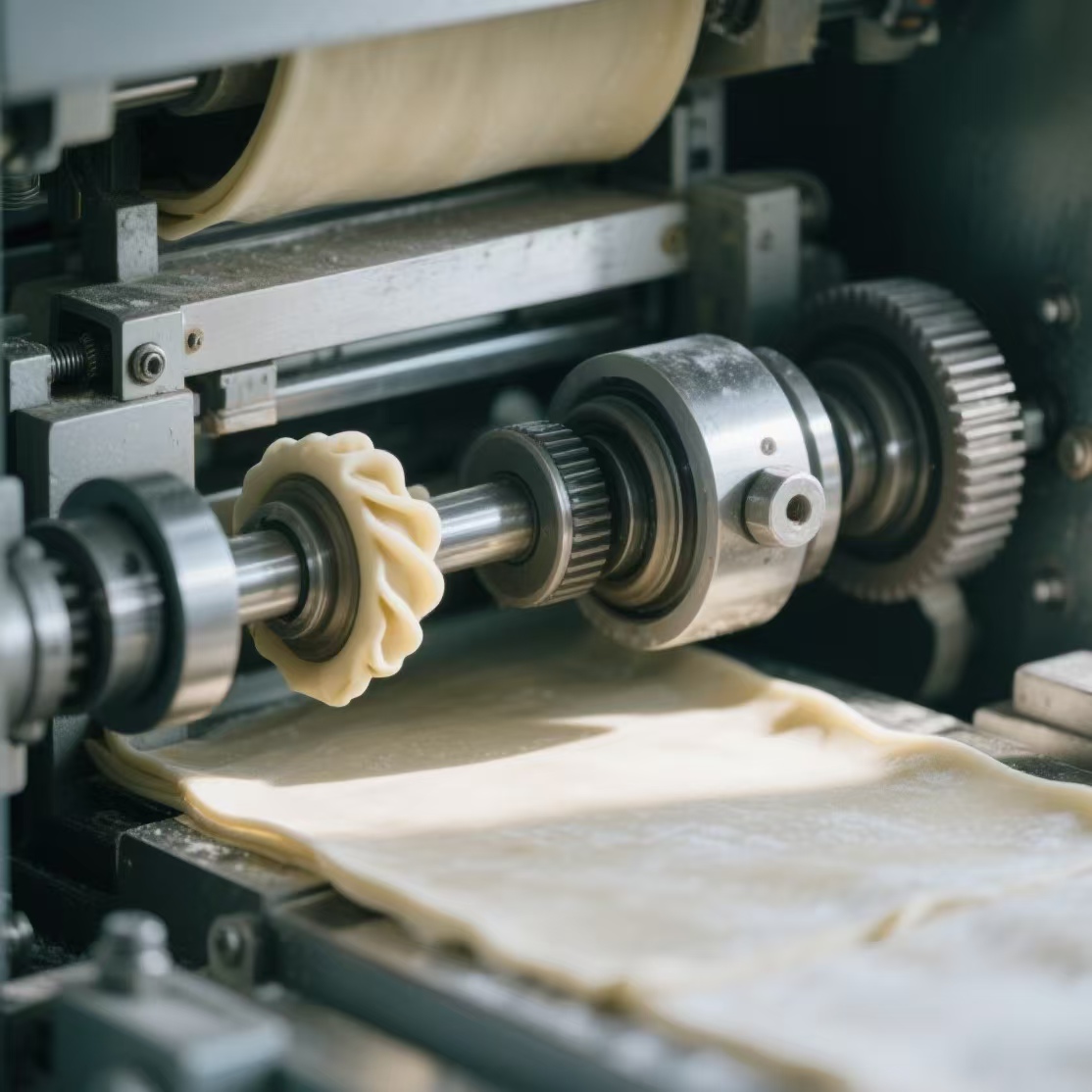
– The basic model (3000-5000 sheets/hour) suits small wonton shops and breakfast stalls; the standard model (5000-8000 sheets/hour) adds automatic dough conveying and waste recycling, adapting to medium food factories; the industrial model (8000-10000 sheets/hour) connects to dough mixers and frozen lines with intelligent counting, meeting large production line needs. All models support custom molds for wonton or dumpling skins of different shapes (square, round).
The food processing industry faces several challenges that impact its efficiency and sustainability. One of the primary issues is the need for continuous innovation to keep up with changing consumer preferences and regulatory requirements. Additionally, ensuring food safety and maintaining high hygiene standards are critical concerns. Energy consumption and waste management are also significant challenges, as the industry strives to reduce its environmental footprint. Addressing these issues requires a combination of advanced technology, strict quality control, and sustainable practices to ensure long-term success in the market.
Food processing machinery plays a crucial role in the food industry by automating and streamlining various production processes. These machines are designed to handle tasks such as cutting, mixing, grinding, and packaging, thereby increasing efficiency and reducing manual labor. From small-scale kitchen appliances to large industrial equipment, food processing machinery comes in various sizes and types to meet different production needs. Understanding the basics of these machines can help businesses optimize their operations and improve product quality.
CONTACT US
If you have any queries, get in touch today! Don’t hesitate. We try to take the extra step for our customer satisfaction.